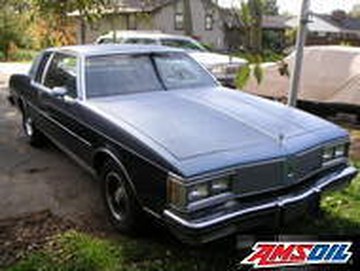
Lubrication Maintenance for the 1982 Oldsmobile 88 4.3L
Maintaining a vehicle from the early 1980s requires a proactive approach to fluid management and mechanical inspection. For the 1982 Oldsmobile 88 equipped with the 4.3L engine, consistent attention to lubrication is a fundamental aspect of long-term ownership. Because older engines may exhibit different sealing characteristics than modern counterparts, understanding how to monitor and respond to changes in lubricant condition is essential for preserving engine health.
Monitoring Fluid Integrity and Consumption
One of the most effective ways to gauge the health of an engine is to observe how it utilizes its lubricants. Owners should periodically check the level of the engine oil using the dipstick to ensure it remains within the appropriate range. A gradual decrease in fluid levels over a long period may be something to monitor, while a sudden drop warrants immediate investigation.
When observing the vehicle, look for any signs that could indicate changes in how the engine is operating. For example, an unusual odor that may suggest oil is contacting hot external surfaces can be an early indicator of a leak. Similarly, if you notice any unexpected exhaust characteristics, such as smoke, it should be investigated to determine if the engine is consuming more lubricant than usual. It is important to remember that these symptoms can have multiple causes, ranging from simple seal seepage to other mechanical issues, and they do not always point to a single specific failure.
Observing Potential Seepage and Component Condition
As vehicles age, the materials used in gaskets and seals may undergo changes. During routine maintenance or visual inspections, it is useful to look for evidence of fluid seepage around various engine junctions. Rather than assuming a specific component has failed, focus on identifying any wetness or residue that suggests a loss of fluid integrity.
Beyond the engine itself, other components should be part of a regular inspection routine. If equipped, check accessible drive belts for signs of wear such as cracking, glazing, or fraying. Similarly, if present, inspect various hoses for any evidence of softening, swelling, or leaks. Checking electrical connections and wiring harnesses for secure seating and cleanliness can also prevent secondary issues that might complicate engine performance. By identifying these small details early, you can address maintenance needs before they escalate into more significant repairs.
Establishing a Maintenance Baseline
For many owners of a 1982 Oldsmobile 88, the history of previous service may not be fully documented. In such cases, establishing a maintenance baseline is a practical first step. This involves performing a thorough inspection of all fluids and mechanical components to determine their current state. Once you have identified the current condition of the belts, hoses, and seals, you can begin to track changes over time.
Keeping detailed records of every oil change, filter replacement, and observed leak is highly beneficial. These records allow you to distinguish between a new issue and a long-standing characteristic of the vehicle. If you notice that fluid consumption or seepage increases after a certain period, your documentation will provide the necessary context to make informed decisions about repairs versus continued monitoring.
Prioritizing Service Tasks as the Vehicle Ages
Effective maintenance is not just about performing tasks, but about performing the right tasks at the right time. As an older vehicle continues to operate, owners should prioritize maintenance based on actual condition rather than strictly following age-based assumptions. If you discover an active leak or a belt that shows signs of deterioration, these should take precedence over general preventive measures.
Reviewing your service history alongside current observations helps in distinguishing between necessary repairs and unnecessary parts replacement. For instance, if the engine oil appears clean and levels are stable, there is no immediate need to overhaul seals; however, if you notice a change in the lubricant's appearance or a consistent drop in level, that becomes a priority. This condition-based approach ensures that resources are directed toward the areas of the vehicle that require the most attention.
The Role of Lubricant Quality and Protection
Engine oil performs several vital roles, including reducing friction between moving parts and assisting in heat management within the engine. Over time, lubricants can become contaminated by combustion byproducts or thermal breakdown, which may lead to the formation of deposits or sludge. Using a high-quality lubricant helps mitigate these effects by providing better resistance to oxidation and maintaining its protective properties for longer periods.
Some modern oil formulations are specifically designed with additives intended for use in aging engines. These high-mileage formulations often include seal-conditioning additives that may help maintain the flexibility of older gaskets and seals. While these products are not a substitute for mechanical repairs, they can be a useful tool in a long-term maintenance strategy for vehicles that have been in service for many years.
Practical Guidance for Buying Engine Oil for your 1982 Oldsmobile 88 4.3L
When it is time to replenish or change the lubricant in your 1982 Oldsmobile 88 4.3L, the most important step is to ensure the product matches the specific requirements of your engine. Do not rely on general automotive knowledge or assumptions based on the vehicle's age to select a grade. Instead, match the engine oil to the application-specific viscosity information already displayed on this webpage.
Before making a purchase, carefully check the product labeling to verify that the oil meets the appropriate API certification for your needs. Depending on your driving habits and the current condition of your engine, you may choose between conventional, synthetic blend, or full synthetic oils. If your vehicle has high mileage and you are looking for specific additive packages, you might also consider high-mileage formulations. Always prioritize the viscosity and specification details provided in the application information above to ensure the best possible protection for your 4.3L engine.